
IP65 Outdoor Stage Lighting Buying Guide
How rental companies and event production teams specify wash, pixel and strobe fixtures for weather-exposed stages.
1. What IP65 means for outdoor stage lighting
IP65 is an ingress-protection rating under IEC 60529. The first digit, 6, means the enclosure is dust-tight. The second digit, 5, means it is protected against water jets under defined test conditions. For an outdoor stage, festival or touring rental fleet, this is a useful baseline — but it is only one part of the specification.
IP65, IP66 and real outdoor use
IP66 is tested against stronger water jets than IP65; both are dust-tight and neither implies immersion protection. Select the rating based on the actual exposure: rain and wash-down, temporary festival use, permanent facade installation, coastal humidity or dusty touring environments. If the venue uses high-pressure cleaning, ask the manufacturer whether the fixture and its connectors are suitable for that cleaning method.
What to check beyond the IP number
- Connector type and sealing method, including power and DMX connectors.
- Cable entry, gland orientation and strain relief.
- Housing material, coating and corrosion resistance for the site.
- Condensation management and pressure-equalisation design.
- Mounting orientation and drainage around the fixture.
- Service access: can the fixture be opened and resealed correctly?
2. Start with the fixture role, not the model
Outdoor stages usually need more than one lighting layer. A single fixture type rarely covers broad wash, graphic pixel effects, strobe impact and directional beam work equally well. Define the role of each layer before comparing models.
Broad wash
Covers stage areas, backdrops and architecture with even color. Look for beam or zoom range, output, color mixing and dimming smoothness.
Zoom wash PAR
A flexible outdoor wash unit for main-stage coverage and long-throw work. Zoom range and color temperature adjustment matter when one fixture must cover several positions.
Linear pixel / effect
Adds graphic movement, color chases and pixel-mapped structure. Check pixel mapping, DMX channel modes, RDM support and the number of controllable zones.
Strobe/blinder and moving-head layers should be specified the same way: define the visual job, then compare output, coverage, control and mechanical requirements. A layered system is easier to scale across different stages than a single “do-everything” fixture.
3. Featured IP65 product range
The range below covers 18 IP65 fixtures across the main families used in outdoor rental and event work. Each card links to the current product page with full specifications; confirm the exact configuration and options in the quotation.
Linear pixel bars & strips
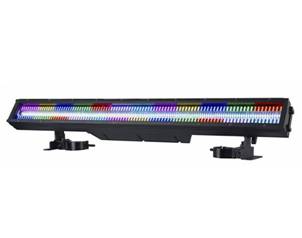
IP65 BAR FX2
48 RGB + 48 cool-white zones; DMX512/RDM; 68°/114° beam options.
View product →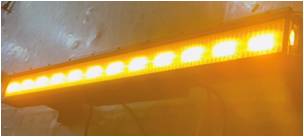
IP65 BAR FX3
48 RGB + 24 white + 24 amber zones; RGB + white + amber pixel bar.
View product →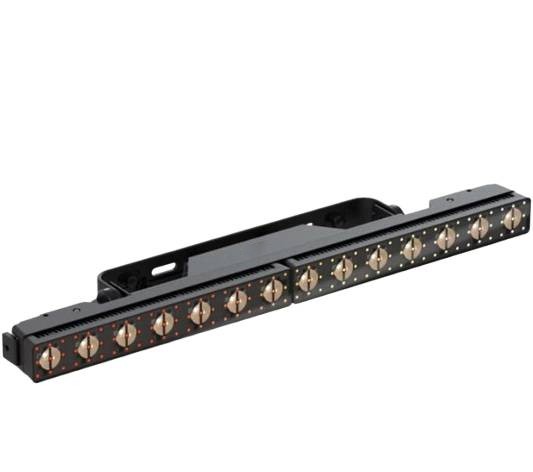
PIXEL STRIP DUO 200IP
IP65 hybrid beam + RGBW pixel batten for linear and beam effects.
View product →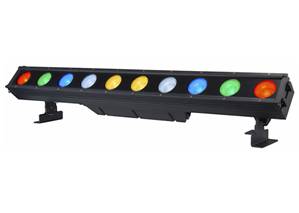
IP65 PIXEL BAR 1050IP
500W, 10×50W RGBL/RGBW LEDs, individual pixel control and IP65 outdoor housing.
View product →Pixel panels & strobe FX
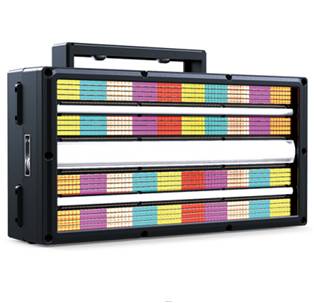
IP65 PANEL FX2
200×3W cool white + 800×0.5W RGB LEDs; independent pixel control.
View product →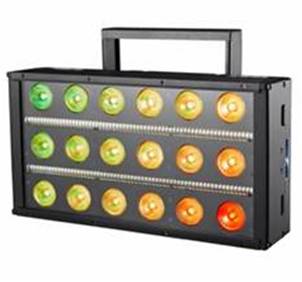
IP65 PANEL FX3
18×20W RGBL + 128×3W cool white; strobe, wash and eye-candy effects.
View product →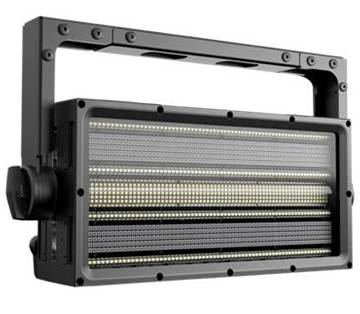
PULSE PANEL IP
White strobe, RGB pixel effects and wash in one IP65 fixture.
View product →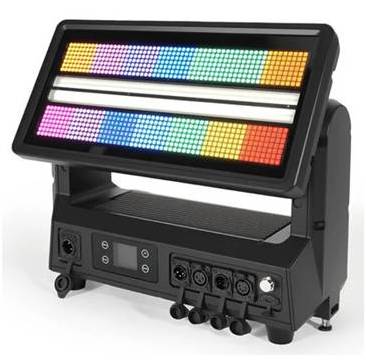
COLOR STRIKE M IP
RGB pixel, cool-white strobe segments and motorized tilt movement.
View product →Blinders, audience & wash FX
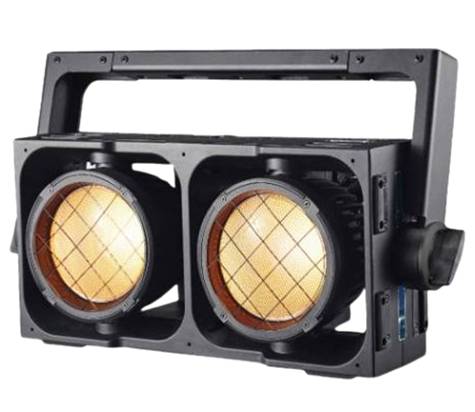
CLUSTER B2 FC LED BLINDER 600IP
RGBA + warm-white audience blinder and wash FX in an IP65 housing.
View product →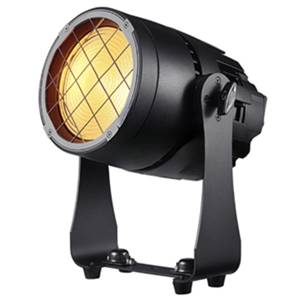
MINI BLINDER
350W RGBLAC, 178×2W LEDs and modular splicing for creative arrays.
View product →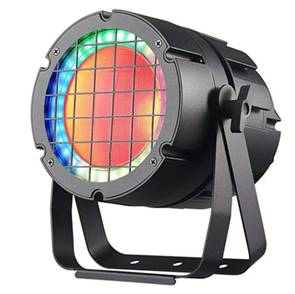
HaloPAR 350IP
350W RGBAW par wash plus RGB halo ring for wash and blinder FX.
View product →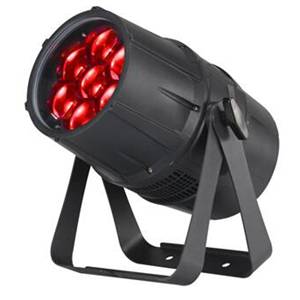
AstraPAR 300Z IP
300W RGBW zoom PAR with IP65 housing and flicker-free output for outdoor stages.
View product →Moving heads
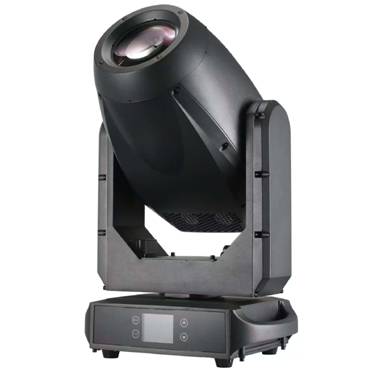
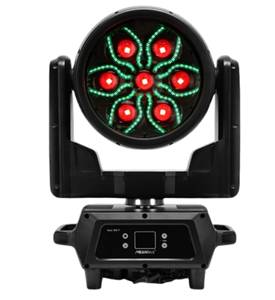
Cyclorama, wash & effect panels
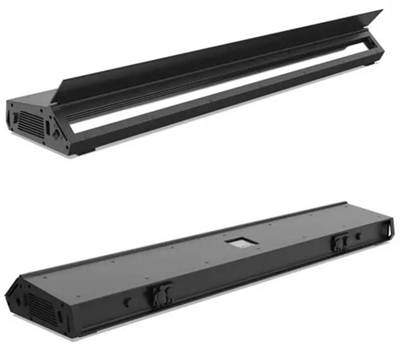
AURORA CYC 350IP
Full-spectrum IP65 cyclorama, footlight and performance wash.
View product →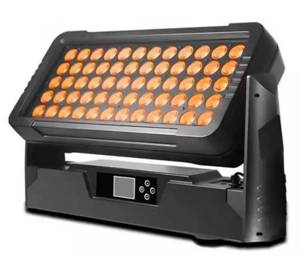
60×12W RGBW Flood Wash
60×12W RGBW, 550W, 48° standard / 25° optional, 5–50 m projection.
View product →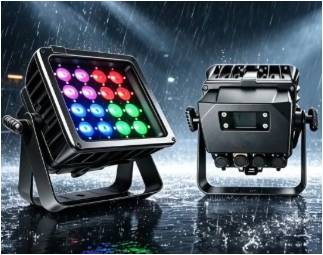
PIXEL CUBE 160 IP
16×10W RGBW main LEDs plus 40 RGB auxiliary LEDs; 15°/25°/40° beam angles.
View product →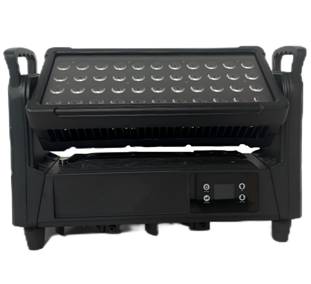
44 HEX PANEL IP65
44×12W RGBW moving strobe wash with 185° tilt and IP65 outdoor protection.
View product →Need a mixed fleet? Send the application, throw distance, quantity and control system; the team can propose a combined IP65 package rather than a single fixture type.
4. Specification checklist for rental and event buyers
Use this checklist when comparing quotations. A lower price per fixture is not a lower cost per show if the fixture needs more power, more DMX channels, more spares or more setup time.
Environment and installation
- IP rating and the actual exposure: rain, dust, coastal air, temporary or permanent.
- Operating temperature range and ventilation requirements.
- Mounting method, rigging points, weight and safety-cable provision.
- Connector protection and cable routing for outdoor use.
Optics and output
- Beam angle or zoom range, and how it matches the throw distance.
- Illuminance, field coverage and color mixing at the intended distance.
- Color temperature range and consistency across the fleet.
- Dimming curve, strobe range and effect quality.
Control and power
- DMX512, RDM, Art-Net or sACN support as required by the console.
- DMX channel modes and the number of channels you will actually use.
- Power consumption, voltage range, current draw and daisy-chain limits.
- Emergency or fail-safe behavior when the control signal is lost.
Rental fleet and serviceability
- Weight and handling, flight-case or road-case packaging.
- Access to spare parts, connectors, fans and power supplies.
- Firmware update method and fixture personality files.
- Batch consistency and a practical spare ratio for the fleet.
5. Product comparison: three IP65 fixture roles
The table below compares three current fixtures across different outdoor roles. Specifications are taken from the linked product pages; confirm the exact configuration, options and current documentation in the quotation.
| Fixture | Best role | Light source | Beam / zoom | Power | Control | IP rating |
|---|---|---|---|---|---|---|
| IP65 Wall Wash 60×12W RGBW | Architectural facade and broad stage wash | 60 × 12W RGBW 4-in-1 | 48° standard; 25° optional | 550W | DMX512, Master/Slave, Demo; 6/8/10 CH | IP65 |
| ZoomPAR 1915IP | Outdoor zoom wash PAR for main stage and long throw | 19 × 15W RGBW 4-in-1 | 8°–60° zoom | 285W | DMX512, Sound, Auto, Master/Slave; 5/10 CH | IP65 |
| LED Pixel BAR 1050IP | Linear pixel, chase and graphic effects | 10 × 50W RGBL or RGBW 4-in-1 | 14° / 24° / 40° (optional) | 500W | DMX512, RDM, Master/Slave; 9/40/49 CH | IP65 (temporary/outdoor) |
For a broader comparison framework, see the product comparison resources or request a project-specific selection review.
6. Procurement questions to ask before ordering
Ask these questions for the exact model and configuration, not only for the product family. The answers should be written into the quotation so the sales, engineering and rental teams work from the same assumptions.
- MOQ: What is the minimum order quantity for this model, finish and configuration? Is a mixed-model trial order possible? (MOQ is project-dependent and should be confirmed in the quotation.)
- Lead time: What is the production lead time at our quantity, and what changes if we add customization, packaging or a private label?
- Sample evaluation: Can we evaluate a sample or a small batch? What test criteria should we use for output, color, DMX response and mechanical condition?
- OEM/ODM: What branding, packaging, connector, firmware or configuration changes are possible, and what is the approval process?
- Compliance documents: Which current certificates or test reports apply to this exact model and destination market? Request the documents rather than relying on a logo.
- Warranty and spares: What is the warranty policy, and which spare parts should a rental fleet keep on the shelf?
- Packaging and shipping: Is the fixture supplied in a flight case, carton or pallet? What protection is included for touring?
- Payment and Incoterms: Confirm the commercial terms in the quotation; do not assume them from the product page.
7. Common specification mistakes
- Treating IP65 as waterproof for immersion. It is not.
- Ignoring connectors and cables. The enclosure may be sealed while the connector is not.
- Comparing wattage only. Output, beam, coverage and color quality matter more than the wattage number.
- Undersizing power and distribution. Plan current draw and daisy-chain limits with a qualified electrical professional.
- Planning too few DMX channels. Choose the channel mode for the effects you will actually run, and leave headroom.
- Mixing color batches without an acceptance criterion. Define the pass/fail standard before the order.
- Buying one fixture type for every role. A layered system usually produces better results and easier scaling.
- Forgetting spare parts and service access. A rental fleet needs a practical repair and replacement plan.
8. Testing and acceptance for a rental fleet
Before a fleet goes on the road, agree on an acceptance checklist with the supplier. The exact tests depend on the fixture, but a practical starting point is:
- Visual and mechanical inspection of housing, covers, connectors and mounting points.
- Power-on, menu, DMX address and channel-mode checks.
- Dimming, strobe, zoom and color-mixing response at the console.
- Color and output comparison across the received batch.
- Connector and cable inspection after a test setup and teardown cycle.
- Packaging check: flight case, foam, accessories and documentation.
- Serial-number or batch record for future fleet expansion.
Ask whether the supplier can provide a test record or acceptance report for the order. Keep one reference unit from each batch so future additions can be compared against a known baseline.
9. Project references
These case pages show how IP65 fixtures are used in real rental and outdoor production contexts. They are references for the application logic, not a guarantee that every project used every listed product.
- Vietnam outdoor stage lighting project — outdoor production requirements and IP65 fixture roles.
- Vietnam rental stage lighting OEM project — rental fleet consistency, IP65 BAR FX2 and IP65 PANEL FX2.
- European touring strobe wash project — layered strobe, blinder and FX roles for touring productions.
10. Frequently asked questions
What does IP65 mean for stage lighting?
IP65 means the enclosure is dust-tight (6) and protected against water jets (5) under the defined test conditions. It does not mean the fixture is submersible. Connectors, cables and installation details also need to be suitable for the outdoor environment.
Is IP65 lighting suitable for permanent outdoor installation?
It can be, but the installation must be evaluated for mounting, drainage, cable entry, condensation, maintenance access and local electrical requirements. Confirm the exact fixture configuration and site conditions with the manufacturer.
What is the difference between IP65 and IP66?
Both are dust-tight. IP66 is tested against stronger water jets than IP65. Neither rating means the fixture can be submerged. Select the rating based on the actual exposure and cleaning method.
How many DMX channels do I need?
It depends on the fixture and control mode. The products in this guide use 6/8/10, 5/10 and 9/40/49 channel modes. Plan the channel count for the highest mode you will use and leave room for future effects.
How do I calculate power for an outdoor rental fleet?
Add the rated power of every fixture on each circuit, include derating and cable/distribution limits, and have the distribution plan checked by a qualified electrical professional. Do not rely on the fixture wattage alone.
What should I ask about MOQ and lead time?
Ask for the minimum order quantity for the exact model and configuration, the production lead time at your quantity, sample policy and the shipping schedule. MOQ and lead time are project-dependent and should be confirmed in the quotation.
How can I check color consistency across batches?
Define an acceptance criterion before ordering, request a sample or batch test, and check color mixing, output and control response across the fixtures you receive. Keep a reference unit for future fleet additions.
Can fixtures be customized for OEM or rental fleets?
OEM/ODM options such as branding, packaging and configuration can be discussed with the sales and engineering team. Confirm the exact customization, MOQ and approval process in the quotation.
11. Next step
If you are specifying an outdoor stage, festival or rental fleet, send the application, throw distance, quantity, control system and project timeline. The engineering team can review the fixture roles and prepare a project-specific quotation.
Request Engineering Quotation
Please provide your project information. Our team will reply with suitable solutions and pricing.